
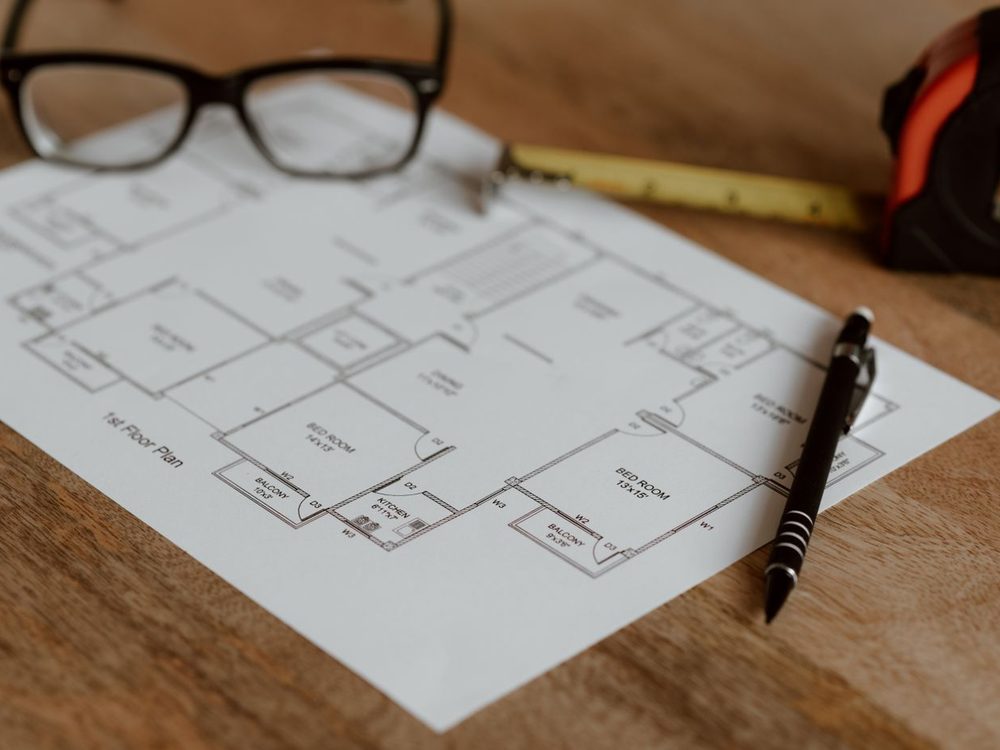
Search for the cost of building a house in the Philippines and you get a price per square metre. It is the most quoted figure in Philippine construction and the least useful one.
A per square metre rate compresses every decision that matters into a single number. Two houses of identical floor area can differ enormously in cost. The drawings show why, long before the estimate does.
The decisions that move the budget
By the time the footings are poured, most of what a house will cost has already been fixed. The expensive choices are made on paper, months earlier.
- Number of storeys, which changes the foundation before it changes anything else
- Span, because a wide unsupported room needs deeper beams and more steel
- Roof shape, where every valley and hip adds framing and flashing
- How many comfort rooms and kitchens, and whether they share wet walls
Owners are often surprised by which of these dominates. The tiles agonised over for weeks are rarely the problem. The roof span nobody discussed usually is.
The site has an opinion too
Two identical designs on two different lots are not the same job. Soil that needs deeper footings or ground improvement moves the foundation cost substantially, and a test pit now is far cheaper than a settlement crack in three years.
Access matters more than people expect. Whether a mixer truck can reach the pour, or everything goes in by wheelbarrow down a narrow purok road, is a real line in the estimate.
Why a single figure is not a cost plan
A lump sum at the bottom of a page cannot be checked. You have no way of knowing whether two contractors included the same things, and when the total is too high it gives you nothing to cut against.
An itemised estimate breaks the work down by element. You can see what the foundations carry, what the frame carries, and what the finishes carry. That is the document that lets you make a decision rather than a leap of faith.
Read the exclusions before the total
Read the exclusions first. The most informative part of any estimate is usually the part owners skip. Assumptions and exclusions tell you what is not in the price: permit fees, utility connections, site clearing, or a soil condition the contractor has assumed but not verified.
Two quotations that look thousands apart often differ only in what each one quietly left out.
What to ask for
Ask for the estimate itemised by element, with assumptions and exclusions written on the same page, and ask how variations will be priced if something changes after signing. A contractor who cannot produce that is telling you something useful.
We do not publish a per square metre rate for the same reason we will not quote your house over the phone. The number would be wrong, and you would plan around it.